
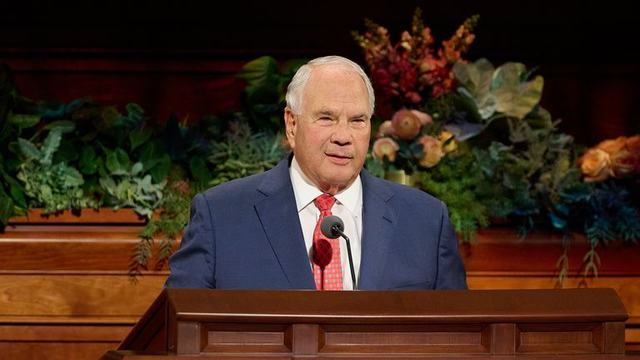
Love Like Jesus
 Open talk in Gospel Library
Ideas for Opening the Lesson
- Write the title “Love Like Jesus” where everyone can see it. Invite class members to identify qualities of the Savior’s love, then ask which qualities are especially important when someone makes choices that concern us. Explain that the discussion focuses on our own discipleship rather than evaluating another person’s choices.
- Read Elder Rasband’s statement, “We cannot change their hearts, but He can; He is a God of miracles.” Invite class members to silently consider a concern they want to entrust to Jesus Christ. Ask how distinguishing our responsibilities from the Savior’s power changes the way we approach relationships.
- Read President Thomas S. Monson’s counsel quoted in the talk: “Never let a problem to be solved become more important than a person to be loved.” Ask what this principle looks like in an ordinary conversation. Invite examples that protect the privacy of family members and friends.
- Read the account of the father welcoming the prodigal son in Luke 15:20. Invite class members to notice the father’s compassion and willingness to approach his son. Ask what this scene teaches about creating relationships in which people know they can find love.
- Display Elder Rasband’s three closing suggestions: let go of guilt, put the person before the problem, and remember that Jesus Christ is the answer. Invite class members to ponder which suggestion they most need today. Allow a brief period of quiet reflection before introducing the discussion.
Topics
Respect Each Person’s Agency
Elder Rasband acknowledges the anguish people feel when loved ones turn away from the Lord or their covenants. He explains that efforts to pressure or argue can deepen a rift, and he emphasizes that each person must choose to follow Jesus Christ. His message invites us to influence others through love rather than attempt to control their choices.
By divine design, brothers and sisters, everyone must choose for themselves to follow Jesus Christ.
- How does remembering that agency is part of God’s design change the way we respond to choices that concern us?
- What helps us recognize when an effort to encourage someone begins to feel like pressure or control?
- How can we share our faith sincerely while respecting another person’s freedom to choose?
- What experiences help you see the value of patient listening in a strained relationship?
- What change in your conversations can better communicate both your convictions and your respect for another person?
Entrust Your Grief to Jesus Christ
Elder Rasband asks us to turn our despair over to Jesus Christ rather than carry it alone. Heavenly Father knows and loves our loved ones even more than we do, and the Savior’s Atonement provides healing and a way back. Trusting Christ allows us to seek rest while continuing to love and care.
Listen carefully. I ask you to turn over to Jesus Christ your despair for those wayward souls. We cannot change their hearts, but He can; He is a God of miracles.
- What does turning despair over to Jesus Christ look like in daily life?
- How does knowing that Heavenly Father loves our loved ones even more than we do affect our fears?
- What does the Savior’s Atonement teach us about the possibility of healing and returning to Him?
- What experiences help you trust Christ when you cannot see how a difficult situation resolves?
- How can we continue caring deeply without assuming responsibility for changing another person’s heart?
Express Love Through Christlike Actions
Elder Rasband describes love as active interest in another person’s life, successes, and challenges. Loving someone does not require approving every choice; it requires kindness, patience, forgiveness, and a willingness to be present. The Holy Ghost helps us respond with peace rather than harshness.
Love is not stepping back or sanctioning others’ decisions and actions. Love is being interested in their lives, their successes, and their challenges. Love is being there with arms outstretched and a cheerful countenance.
- How can we show genuine love without suggesting that we agree with every decision?
- What everyday actions communicate sincere interest in another person’s successes and challenges?
- How can the Holy Ghost help us choose our words when a conversation feels emotionally charged?
- What experiences show you the influence of kindness, patience, or forgiveness in a difficult relationship?
- Which Christlike quality do you feel prompted to practice more deliberately this week?
Pray Persistently for Those You Love
Elder Rasband presents prayer as an expression of love and points to Alma’s faithful prayers for his son. Alma the Younger’s account illustrates the Savior’s power to bring mercy, joy, and profound change. This example encourages persistent prayer and confidence in Christ without replacing another person’s agency.
Love is expressed in prayer.
- How does praying for someone influence the way we see and treat that person?
- What does the account of Alma and Alma the Younger teach about faith in Jesus Christ?
- How can we persist in prayer when we do not see the changes we hope for?
- What experiences help you recognize peace, guidance, or greater love as blessings of prayer?
- How might your prayers include both your loved one’s needs and your own need for patience and understanding?
Keep Your Arms Open to Loved Ones
Elder Rasband uses the prodigal son’s return to show the importance of knowing where love is available. The father’s compassion reflects Heavenly Father’s invitation for us to extend welcoming arms to others. We can nurture relationships that communicate belonging and love even when someone remains distant from the Church.
What brought him back? It was love. He knew where to find it. Love, brothers and sisters, is the answer to connecting with all of our loved ones.
- What does the father’s response in the parable of the prodigal son teach us about welcoming others?
- How can our homes and Church relationships communicate that people remain loved?
- What habits might unintentionally make someone feel that affection depends on religious participation?
- What experiences illustrate the difference a warm welcome makes for someone who feels distant or uncertain?
- What is one appropriate way you can strengthen a connection without making demands about someone’s spiritual progress?
Release Guilt and Put People First
Elder Rasband counsels us to let go of guilt and never give up on those we love. He pairs this encouragement with President Monson’s reminder that a person matters more than a problem we want to solve. These teachings direct us toward enduring love rather than self-blame or constant attempts to fix another person.
First, let go of any guilt. We fail only when we give up and stop trying, so never, never give up on those you love. Remember the example of Alma praying for his son. Second, follow the admonition of President Thomas S. Monson: “Never let a problem to be solved become more important than a person to be loved.”
- How does Elder Rasband’s counsel to let go of guilt help us respond to feelings of personal failure?
- What is the difference between never giving up on someone and repeatedly pressuring that person?
- How can we tell when a concern becomes more important to us than the person experiencing it?
- What experiences help you understand the value of being loved rather than treated as a problem?
- What can you change this week to give greater attention to a loved one’s whole life rather than only the issue that worries you?
Build Your Life on Jesus Christ
Elder Rasband teaches that Jesus Christ remains the answer amid uncertainty and sorrow. He invites us to seek the Savior through scripture study, the words of devoted Church leaders, and mighty prayer. His concluding promise emphasizes that a foundation in Christ protects us from being dragged into misery by the storms surrounding our loved ones.
Third, remember Jesus Christ is the answer. He is, always has been, and always will be. Seek Him through study of the scriptures and words of prophets, apostles, men and women leaders who are devoted to serving the Lord. And pray. Pray mightily to our Heavenly Father in the name of Jesus Christ. He will not leave us “comfortless.”
- What does it mean to build on Jesus Christ when a loved one’s choices bring sorrow?
- How do scripture study and the words of Church leaders help you seek the Savior’s guidance?
- What distinction do you see between receiving Christ’s peace and having every relationship concern resolved?
- Which scriptures or teachings help you remember that the Savior does not leave you comfortless?
- What spiritual practice can you strengthen this week to anchor your life more firmly in Jesus Christ?
Additional Discussion Questions
- How do respect for agency and confidence in the Savior’s power work together in this talk?
- What does loving like Jesus require us to stop doing, and what does it invite us to begin doing?
- How can we offer hope to someone who grieves over a loved one without making promises about that loved one’s future choices?
- What can Alma’s prayers and the prodigal son’s father teach us together about patient, active love?
- How can an elders quorum or Relief Society support someone who carries this kind of sorrow while protecting the family’s privacy?
- What does Elder Rasband’s description of love teach us about listening before offering advice?
- How can trusting Jesus Christ help us remain kind when a relationship does not change as quickly as we hope?
- What might change in our ministering if we consistently place the person before the problem?
- Which invitation in this talk feels most relevant to your discipleship now, and what specific action does it suggest?
- How can we recognize and express gratitude for the Savior’s comfort while continuing to pray for those we love?
