
I Am a Child of God
 Open talk in Gospel Library
Contents
Before Reading
Before reading or listening to the talk, consider the following questions:
- How does knowing that you are a child of God influence your daily choices?
- What do loving family relationships teach you about Heavenly Father?
- How does God’s enduring love relate to repentance, covenants, and exaltation?
- How does Jesus Christ reveal Heavenly Father’s love?
- What changes in your treatment of others when you recognize their divine identity?
- What gives you hope that you can turn to Christ today?
Topics
Remember Your Identity as a Beloved Child of God
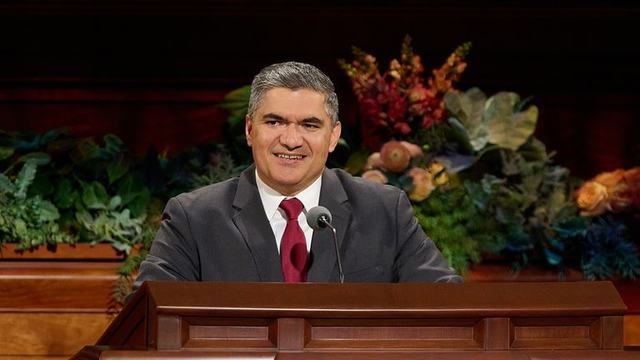
Elder Fale teaches that every person is a beloved spirit child of heavenly parents, with a divine nature and destiny. Understanding this identity and Heavenly Father’s love is essential to daily and eternal happiness. This knowledge protects against deception and gives mortal life purpose.
I am a child of God and He loves me. This statement is powerful and empowering. More importantly, it is true, not just for me but for each of us and all of us.
Understanding our Father’s love and our true identity as His children is essential for our daily and eternal happiness. It prevents deception and gives purpose to this mortal life.
May this truth never leave our minds or our hearts, and may it change us forever.
- What does Elder Fale teach about the identity and potential of every human being?
- Why is understanding Heavenly Father’s love essential to happiness?
- How does knowing our divine identity protect us against deception?
- What thoughts or feelings arise as I write, “I am a child of God and He loves me”?
- Which competing messages about my identity do I need to evaluate in light of this truth?
- What daily practice can help me remember my divine identity?
Recognize Heavenly Father’s Love Through Family Relationships
The divine pattern of families helps us understand our relationship with Heavenly Father. Elder Fale uses his love for his children to illustrate that Heavenly Father’s love does not depend on our earning it. He also emphasizes that those without loving earthly families can find power, peace, and comfort in God’s love and the eternal family blessings available through sacred covenants.
It is often through families, despite all their imperfections, that our Father teaches us about His love.
You did not earn it; you cannot lose it. It is yours forever.
We need you to always remember that what we feel is but a small fraction of what your Heavenly Father feels for you.
Even when a loving family is not part of our earthly experience, knowing that our Heavenly Father loves us can provide power, peace, and comfort, especially as we remember the eternal blessings that await all who make and keep sacred covenants—including all the blessings of an eternal family.
- What does the baby-picture conversation illustrate about a parent’s love?
- How does Elder Fale distinguish earthly parental love from Heavenly Father’s love?
- What comfort does the talk offer people who do not experience loving family relationships?
- How do sacred covenants connect with the promise of eternal family blessings?
- Where do I recognize reflections of Heavenly Father’s love in family or family-like relationships?
- How can I communicate love without making someone feel they must earn it?
- If my family circumstances bring pain or loneliness, how can I seek comfort in Heavenly Father’s love?
- What can I do to help someone feel welcome to return, reconnect, or ask for help?
Receive Christ and Remain Faithful to Sacred Covenants
Elder Fale warns against the deception that God’s love makes repentance and acceptance of Jesus Christ unnecessary. Heavenly Father’s enduring love does not remove the need to receive Christ through priesthood ordinances and covenants. Faithfulness to those covenants is the way to exaltation.
As I bear witness of the eternal depth and nature of our Father’s love, I also offer this warning: Beware of the adversary’s deceitful lie that twists this precious truth.
He tries to deceive God’s children into believing that because God loves us, we can be saved regardless of our pride, regardless of our rebellion, regardless of our sins, and regardless of our rejection of His Son and His Son’s servants.
Receiving Christ through priesthood ordinances and covenants, and then being faithful to those covenants, is the only way for us to fully understand His love and the only way to exaltation.
- What false conclusion about God’s love does Elder Fale warn against?
- Why does God’s love not make repentance and covenant faithfulness unnecessary?
- What role do priesthood ordinances and covenants play in receiving Christ and preparing for exaltation?
- Where might I use God’s love as an excuse to avoid repentance or needed change?
- How can I respond to God’s love through greater faithfulness to my covenants?
- What next step toward receiving an ordinance or honoring a covenant can I take?
- How can I hold both truths together: God loves me, and He invites me to change?
Recognize Christ’s Love and Join His Saving Work
Jesus Christ reveals Heavenly Father’s love through His ministry and His victory over sin and death. Understanding the Father’s love helps us understand the Savior and motivates us to join His work of saving and blessing God’s children. Living prophets and apostles hold priesthood keys that provide access to ordinances and covenants that prepare us to return to Heavenly Father.
This understanding makes us eager to quickly and wholeheartedly join Him in His Father’s work. As we are anxiously engaged in this work, we are able to become more like Him.
God’s love is real, and Jesus Christ is evidence of that love.
Jesus Christ, through His premortal, mortal, and current ministry, points us to eternal life and personifies our Father’s deep, abiding, and eternal love.
Today Christ shows us our Father’s love through priesthood keys held by living prophets and apostles.
- How does understanding Heavenly Father’s love help us understand Jesus Christ?
- How does participating in the Father’s work help us become more like the Savior?
- How do priesthood keys, ordinances, and covenants express Heavenly Father’s love?
- What does the phrase “our Father” teach about our relationship with God?
- What does John 3:16 help me understand about Heavenly Father’s love for me?
- How can my prayers reflect greater trust in a loving Heavenly Father?
- Whom can I help, encourage, or serve as I join the Savior’s work this week?
- How do I recognize God’s love in the ordinances, covenants, and prophetic guidance available to me?
See Beyond Labels and Love God’s Children
Understanding God’s love helps us resist divisive and misleading labels applied to ourselves and others. Elder Fale invites us to see every person as beloved and divine, repent readily, and judge slowly. This perspective moves us to offer companionship and inclusion rather than leave others alone.
Second, when we understand God’s love for us and for the rest of His children, we become immune to the divisive and misleading labels of our fallen world, both the labels that people try to put on us and the labels the world tries to put on others.
We see ourselves and all of God’s children as beloved and divine.
We become quick to repent, slow to judge, and ever hopeful that the best is yet before us.
We are forever willing to love and to make sure that no one is ever sitting, standing, or walking alone.
- How does understanding God’s love change the way we view labels?
- What attitudes does Elder Fale connect with seeing others as beloved children of God?
- How does recognizing divine identity lead to inclusion and companionship?
- Which labels prevent me from seeing myself or another person as God sees us?
- Where do I need to become quicker to repent and slower to judge?
- Who in my ward, family, workplace, or community seems alone?
- What specific act of companionship or inclusion can I offer this week?
Turn to Christ Today and Trust His Redeeming Grace
Elder Fale teaches that understanding Heavenly Father’s love protects us against the lie that change or redemption is no longer possible. The Savior’s teachings about the prodigal son and the lost sheep show God’s desire to reclaim His children. The invitation is to turn to Christ today with hope in His redeeming grace.
Third, understanding our Father’s love protects us from the pernicious lie that it is too late for someone to change, too late for someone to turn to Christ, and too late to receive His redeeming grace.
From the prodigal son to leaving the 99 sheep to find the one, our Father’s message, through His Son, has always been that there is still yet time if we turn to Christ today.
We also hope it gives you the strength and the humility to come home when you need to, because no matter what has happened, you can always come home, just as you can always turn to your Father in Heaven.
- What lie about repentance does understanding Heavenly Father’s love help us reject?
- What do the prodigal son and lost sheep teach about God’s willingness to receive His children?
- Why does Elder Fale emphasize turning to Christ today?
- Where do I feel discouraged about my ability to change, and how does this message offer hope?
- What does turning to Christ today look like in my circumstances?
- What experience helps me recognize the Savior’s redeeming grace in my life?
- How can I encourage someone who believes it is too late to return to God?
