
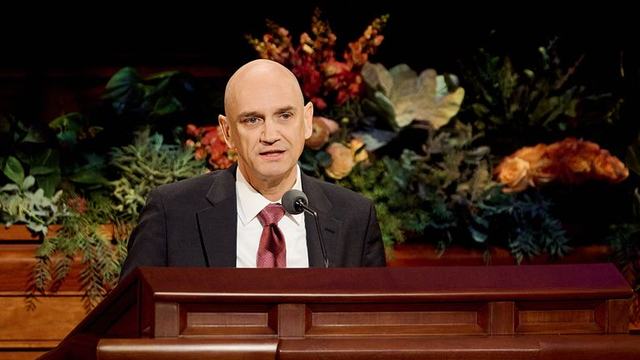
Consider Your Ways, and from This Day Will the Lord Bless You
 Open talk in Gospel Library
Ideas for Opening the Lesson
- Write “Consider your ways” on the board and invite class members to reflect silently on where their time and attention go. Ask how this invitation can offer hope rather than discouragement, then introduce Elder Schmeil’s message about making adjustments and drawing closer to God.
- Read Matthew 11:28–30 together. Invite class members to discuss what a yoke suggests about their relationship with Jesus Christ, then explain that the lesson explores how covenants bind us to Him and help lighten our burdens.
- Display the words “willing” and “perfect.” Read Elder Schmeil’s explanation of willingness in the sacrament prayer, and ask how this distinction affects the way class members approach Sunday worship. Allow a few responses before exploring the Savior’s invitation to keep progressing.
- Read Haggai 1:5–7, 9 and Haggai 2:19. Briefly explain that the Israelites focus on their own houses while neglecting the Lord’s house. Invite class members to consider how being busy differs from aligning their efforts with God’s will.
- Ask class members to identify divine helps that support them on the path back to Heavenly Father. After a few responses, explain that Elder Schmeil emphasizes Jesus Christ and our covenants. Invite the class to look for how these two helps work together throughout the lesson.
Topics
Prepare to Meet God through His Divine Helps
Heavenly Father’s plan of happiness provides a way for His children to return to His presence. Mortal life is a time to prepare to meet Him, and He does not leave us to make that journey alone. Elder Schmeil identifies Jesus Christ and our covenants as essential divine helps.
And God did not leave us alone in this journey. As President Dallin H. Oaks has taught, God gave us “divine helps for mortality” that can help us back to His presence. I will mention two of these divine helps: the Savior Jesus Christ and our covenants.
- How does seeing mortality as preparation to meet God influence your daily priorities?
- What does the phrase “plan of happiness” teach you about Heavenly Father’s purposes for you?
- How do Jesus Christ and your covenants help you feel that you are not alone?
- What experiences help you recognize Heavenly Father’s support during difficult seasons?
- What adjustment in your daily routine can help you prepare more intentionally to return to God?
Seek Christ with Humility and Faith
Jesus Christ knows each person and offers help with challenges and weaknesses. Elder Schmeil explains that humility includes a broken heart receptive to God’s will, while faith includes trusting Christ without having every answer. Through His Atonement, the Savior provides forgiveness for repented sins and makes weak things strong.
A central feature of humility is having a broken heart, which means to be receptive to the will of God. To be receptive to the will of God, we must have faith in Christ, which means that we trust Him even when we don’t have all the answers.
- How does Elder Schmeil’s definition of a broken heart deepen your understanding of humility?
- What helps you remain receptive to God’s will when it differs from your preferences?
- What does trusting Jesus Christ look like when answers do not come quickly?
- What experiences help you recognize the Savior’s strengthening power in an area of weakness?
- How can you respond to a weakness with faith rather than shame or discouragement?
- What practice can help you seek Christ more consistently this week?
Bind Yourself to Christ through Covenants
Making and keeping covenants expresses faith in Jesus Christ. God establishes covenant conditions and promises blessings as His children fulfill them. Because Christ is central to every covenant, covenant keeping yokes us with Him and gives us access to His promised rest.
Covenants bind us to Jesus Christ because He is central to every covenant we make.
- How does understanding a covenant as a relationship with Christ affect your motivation to keep it?
- What does the Savior’s invitation to take His yoke upon you teach about receiving His help?
- How can covenant keeping bring rest even when responsibilities and challenges remain?
- What experiences illustrate how your covenant relationship with Christ helps lighten your burdens?
- How can you keep the Savior central rather than treat covenant keeping as a checklist?
- Which covenant commitment invites more deliberate attention in your life right now?
Receive Strength through the Sacrament and Sabbath Worship
The sacrament renews baptismal promises and directs our attention to remembering Jesus Christ. Elder Schmeil emphasizes willingness to take His name upon us, remember Him, and keep His commandments rather than a requirement to be perfect. The sacrament and Sabbath activities aligned with God’s purposes invite the Spirit, spiritual nourishment, and strength to continue on the covenant path.
In the sacrament prayer we have a good reminder that we do not need to be perfect to partake of the sacrament. We need to be willing to take upon us His name, remember Him, and keep His commandments, and in return we have the promise to always have His Spirit with us.
- How does the word “willing” influence the way you prepare for the sacrament?
- What helps you remember the Savior meaningfully during the sacrament?
- How does the promise of His Spirit support you throughout the week?
- What helps you approach sacrament worship when you feel discouraged or hesitant to attend?
- What Sabbath practices help you feel spiritually nourished and physically refreshed?
- How does weekly sacrament worship help you keep your baptismal and temple covenants?
Prioritize Temple Covenants and Align Your Ways
The account of Haggai shows the Israelites giving attention to their own houses while neglecting the Lord’s temple. The Lord invites them to consider their ways, and their repentance and renewed attention to His house bring His promise of blessing. Elder Schmeil applies this invitation to building a strong relationship with Heavenly Father and Jesus Christ through covenants.
We learn from this account that the Lord could not magnify their efforts because their actions were not aligned with God’s will. Although they were doing much, they were not accomplishing much because God’s holy house was not a priority in their lives.
- What does Haggai’s account teach about the difference between being busy and following God’s priorities?
- How can you recognize when worthwhile activities crowd out matters of greater spiritual importance?
- What does making the Lord’s house a priority look like in your present circumstances?
- How can you strengthen your focus on temple covenants when temple attendance is difficult?
- What experiences help you see the value of aligning your priorities with God’s will?
- What specific adjustment can help you build a stronger covenant relationship with Heavenly Father and Jesus Christ?
Trust God’s Promises and Continue Faithfully
Heavenly Father knows what is best for His children and is eager to bless them. Elder Schmeil testifies that God keeps His promises and provides spiritual and physical strength as we consider our ways and make covenant-centered adjustments. King Benjamin’s teaching points to temporal and spiritual blessings and the ultimate promise of dwelling with God in never-ending happiness.
He will magnify our efforts as we consider our ways and make the proper adjustments to make and keep covenants with Him. God knows what is best for us and is eager to bless us.
- What does the promise “From this day will I bless you” teach you about God’s willingness to help as you turn toward Him?
- How can you recognize God’s blessings without assuming that faithfulness removes every difficulty?
- What experiences strengthen your confidence that God keeps His promises?
- How do spiritual blessings sustain you when the temporal blessings you hope for are not apparent?
- How does the promise of never-ending happiness with God influence your choices today?
- What helps you continue faithfully when spiritual progress feels gradual?
Additional Discussion Questions
- How do Jesus Christ and covenants work together to help you prepare to meet God?
- What connection do you see between humility, willingness, and covenant keeping?
- How can the invitation to “consider your ways” lead to hopeful repentance rather than harsh self-criticism?
- What does this talk teach about receiving divine help instead of relying only on personal effort?
- How can remembering Christ during the sacrament shape your decisions during the rest of the week?
- What helps you distinguish between pursuing more activities and deepening your relationship with God?
- How can you support someone who feels hesitant to attend church without judging or pressuring them?
- How can your quorum or Relief Society help members experience the rest and strength Christ offers?
- Which teaching in this talk most directly addresses a challenge you face, and how can you act on it?
- What one change do you feel invited to make, and how can you seek the Savior’s help as you begin?
